
- 2026年9月3日
Can Protein Shakes and Supplements Worsen Liver Function? The Truth Behind “Healthy” Habits That Actually Burden Your Liver
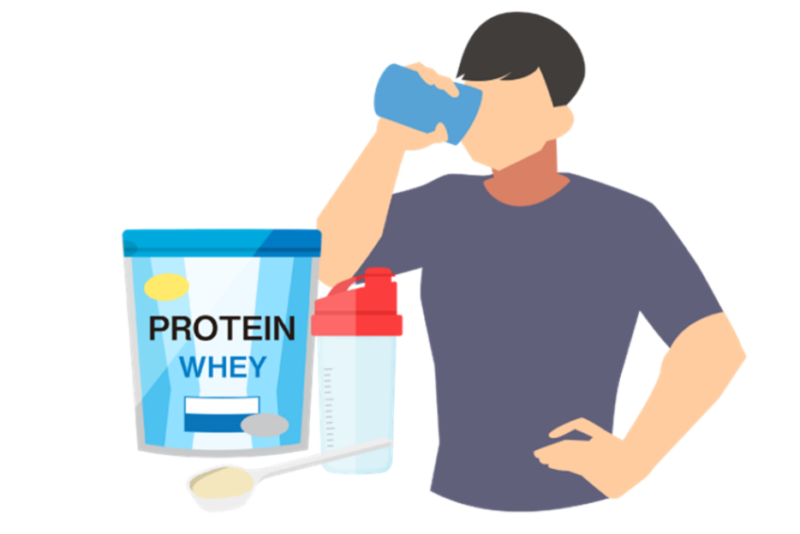
1. When “Healthy Habits” Backfire: Why Well-Intentioned Practices Can Damage the Liver
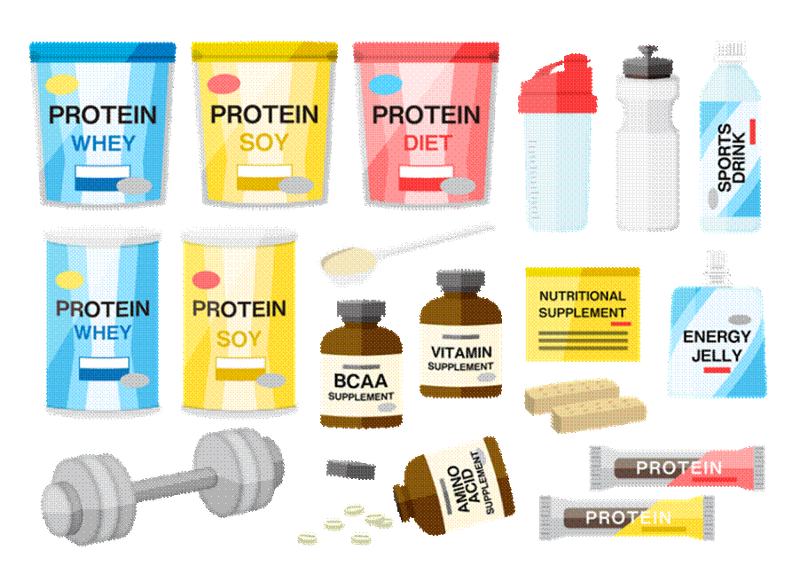
The recommended daily protein intake is approximately 0.8–1 g per kilogram of body weight. Significantly exceeding this places excessive strain on the liver and kidneys.
Excess protein generates ammonia during breakdown. The liver detoxifies this through the “urea cycle,” so high protein consumption increases this detoxification workload.
A Hepatologist’s Perspective: The Relationship Between Excess Protein and Liver Function
For those who already have impaired liver function or fatty liver, the metabolic burden of protein is greater than for healthy individuals, making elevation of ALT and AST more likely. Intake tailored to one’s own physical condition is essential.
Expert Insight: Ammonia Detoxification and L-Carnitine Supplementation
Clinical research has reported the effectiveness of L-carnitine supplementation therapy in advanced liver disease. Inability to process ammonia from excess protein consumption poses risks to the brain and entire body. Professional assessment of the liver’s processing capacity is important.
2. The Real Causes of ALT (GPT) Elevation

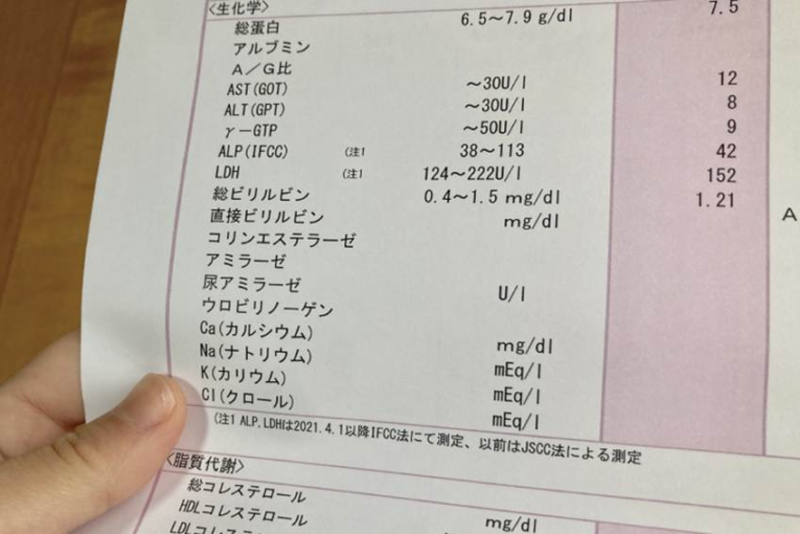
ALT (alanine aminotransferase) is an enzyme released into the bloodstream when liver cells are damaged. The reference range is 30 U/L or below.
Mechanisms of ALT elevation from supplements and protein:
• Direct damage to liver cells by components
• Increased liver burden from excess protein metabolism
• Unexpected hepatotoxicity from interactions between multiple components
Clinical Knowledge: Hidden Fatty Liver Risk at ALT ≥ 16
When ultrasound examination is performed on outpatients whose ALT is within the reference range but at 16 U/L or above, fatty liver is frequently found. Clinical research has shown that “hidden obesity”—thin appearance with visceral fat accumulation—adversely affects long-term prognosis. Even within reference ranges, “multifaceted diagnosis that captures subtle changes in values is the key to early detection.”
3. Damage to the Liver from Excessive Protein Intake
Whether plant-based or animal-based, the issue with protein and liver impact is quantity rather than type. Regular intake of 2–3 or more servings daily (25–30 g each) warrants periodic liver function checks.
Those who should be particularly cautious:
• Those with liver disease
• Those with reduced kidney function
• Users of steroid-type supplements or high-dose BCAA
Expert Insight: Proper Use of BCAA and Energy Metabolism
In clinical settings, BCAA (branched-chain amino acids) are used to support muscle metabolism and reduce liver burden. Clinical research has demonstrated that appropriate BCAA supplementation under proper medical management maintains and improves whole-body energy metabolism. Self-directed overuse can exhaust the liver.
4. How to Correctly Interpret Liver Function Test Values (AST, ALT, γ-GTP)
Interpreting these three values in combination is important:
• AST: Present in the liver, heart, and skeletal muscle. Elevation together with ALT indicates hepatocyte damage.
• ALT: Specific to liver cells. Particularly likely to rise with supplement and protein-related damage.
• γ-GTP: Responds sensitively to alcohol and drug-induced liver damage. Can also rise with supplement-related damage.
Hepatology specialists make comprehensive judgments from the patterns of these three values to estimate causes and determine appropriate responses. Self-diagnosis is dangerous; abnormal values should always be consulted with a specialist.
5. Guidelines for Safe Supplement and Protein Use
Four key points for safe use:
• Check for quality certification marks: GMP- and NSF-certified products have robust quality management
• Select products with clearly stated single ingredients: products with clear ingredient quantities rather than complex formulations
• Consult a physician if you have liver disease: an essential step
• Prioritize food sources as the basis: obtaining nutrients from a balanced diet is the safest and most effective approach
6. A Message from Your Hepatologist

At our clinic, we have seen cases where liver function deteriorated due to protein and supplements that patients thought were beneficial. The liver is the “silent organ,” making symptoms difficult to notice; regular blood tests are therefore important.
If elevation of AST, ALT, or γ-GTP is observed, immediately discontinue all supplements and protein. If AST > ALT, the liver is in the process of worsening with liver failure risk. If values do not improve after discontinuation, hospitalization treatment may need to be considered.
さいとう内科クリニック
院長:斉藤 雅也 Masaya Saito
- 日本内科学会認定医
- 日本肝臓学会専門医
- 日本消化器病学会専門医
- 日本超音波医学会専門医
- 日本消化器内視鏡学会専門医

神戸大学医学部附属病院等の最前線で長年消化器・肝臓内科の臨床と研究に従事。医学博士。 標準治療では回復が困難な進行した肝炎や肝硬変に対し、新たな選択肢としての「肝臓再生医療」にいち早く取り組む。また、肝硬変患者さまの中で合併症(潜在性肝性脳症)を有する割合を明らかにし、カルニチンによる潜在性肝性脳症の治療効果を世界で初めて報告するなど、国際的な英文医学誌への論文掲載実績も多数(代表論文:Hepatol Res 2016; 46(2): 215-224)。科学的根拠に基づいた高度な専門知識と精緻な診断で、患者様の肝臓を守るサポートを行っています。
≫ 詳しい経歴や全研究実績はこちら
- 院長
- 斉藤雅也 Masaya Saito
日本肝臓学会 肝臓病専門医 Hepatologist, The Japan Society of Hepatology - 所在地
- 〒651-2412
兵庫県神戸市西区竜が岡1-15-3
(駐車場18台あり) - 電話
-
- 電話:078-967-0019
- 携帯電話:080-7097-5109
- アクセス
- 当院は、神戸市西区と明石市の境界付近に位置しており、明石市からも徒歩圏内です。実際に、明石市方面からも多くの患者様(肝臓病・一般内科)にご来院いただいております。駐車場も完備しておりますので、お車での通院も便利です。